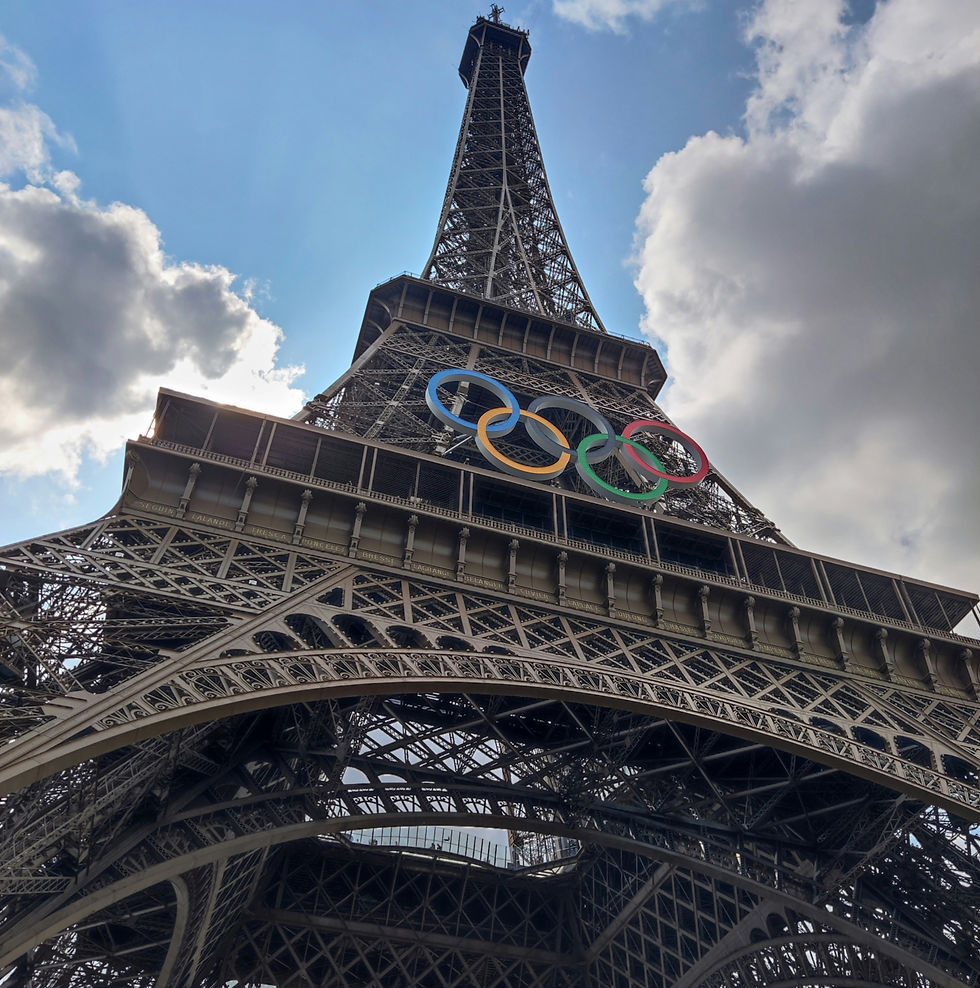
The Best Souvenir from France Isn't Something You Can Pack
Think about your favorite vacation. Do your memories linger on the souvenir you bought or the incredible meal that you ate?
Eating involves all of our senses: sight, smell, touch, hearing, as well as taste. So it should be no surprise that our brains retain food memories better than any others. With all of our senses engaged, we remember not just the taste of the food, but the environment and conditions under which we ate it. Not only that, but taste is directly connected to the hippocampus, the part of the brain that stores long-term memories.
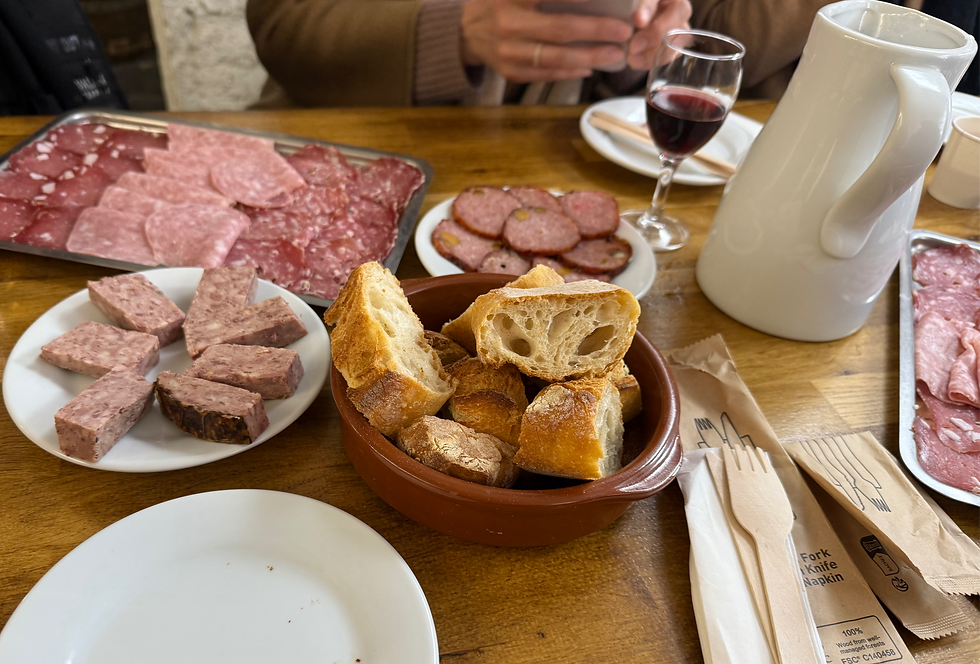
If you want to create the most memorable moments of the place you visit, enjoy a meal there.
Food brings people together.
We know that this is true at home and with our families and friends, but it is true when we travel as well. Some of our strongest travel memories involve a bakery discovered by accident, laughing over a meal, trying something new, or a conversation with locals about their cuisine.
Travel is about connection as much as it is about sightseeing.
"Eat better, live better."
The French speak about "mieux manger" and "mieux vivre." "Eat better, live better." This is the essence of French food culture. Meals are taken slowly. Food is savored. Conversation is free-flowing. The meals include multiple courses which take time and encourage you to appreciate each part of the meal. Cafes are places to linger with friends and not just grab a coffee on the go. There is no better place to slow down and create unforgettable food memories than in France.
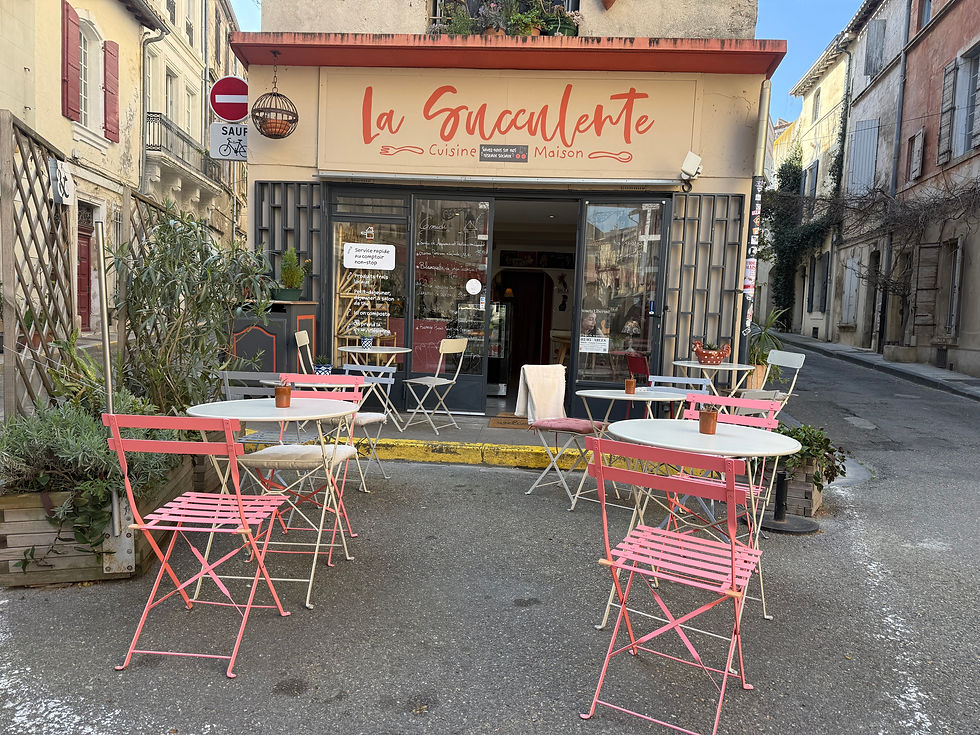
In southern France, food is part of the life and not just fuel for existence.
Picture:
Strolling in a market in the early morning light, surrounded by fresh local produce
Eating fresh baked pastries from a tiny village bakery
Making chocolate yourself under the guidance of an expert chocolatier and tasting the fruits of your labor
Lingering over lunch at an outdoor café, nibbling local cheese and people-watching
Food tells the story of a place
Food tells the story of a place, and this is particularly true in southern France. The mild climate and proximity to the Mediterreanean Sea means that there is an abundance of fruits, vegetables, and seafood. When the Greeks arrived in Marsailles in 600 BC, they brought olive oil and wine into the region. Later, the Romans brought spices, condiments, and the foundations of the sauces for which the French are now famous. The proximity of Italy also influences the cuisine of Provence, although their spin on these ingredients is uniquely their own.

With local farming, fresh ingredients, just-caught seafood, and family recipes, it's hard to imagine a better region in which to build food memories.
The best way to taste France
A Rhône River cruise is the perfect way to experience southern France and its cuisine. Without the hassle of packing and unpacking and finding a new hotel every night, you can visit multiple cities and villages along the Rhône River, tasting as you go. During the day you can explore the local markets, eat from the bakeries, bistros, and restaurants in port, and return to your comfortable stateroom at the end of the day.

Tips for creating memorable food memories
Don't plan all of your meals in advance. One of our favorite French meals was in a café that we just happened upon while wandering the streets of old town.
Visit a local market and build an impromptu meal from what you find there.
Ask a server for the regional specialty. Every region has one.
Slow down over lunch. Your meal is part of experiencing France, not something to rush through so you can get back to sightseeing.
Memories that last
Years from now, you probably won’t remember everything you packed or every souvenir you brought home. But you’ll remember the warm bread shared at a neighborhood café, the laughter around the table, and the feeling of slowing down long enough to truly experience a place. Those are the memories that make travel worthwhile, and southern France has a remarkable way of creating them.